
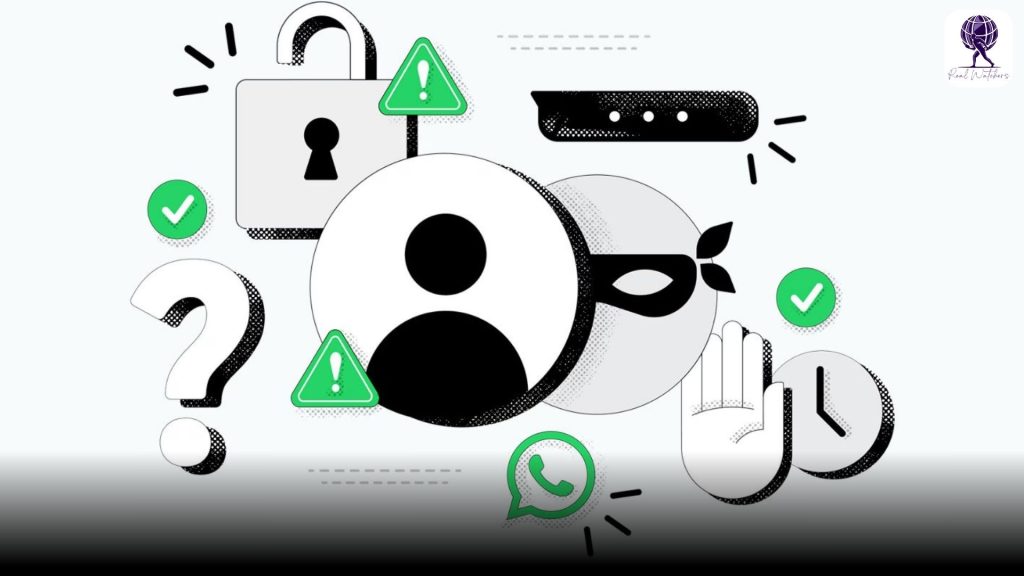
In the first half of 2025, WhatsApp has taken decisive action by banning over 6.8 million accounts, attributing the closures to connections with organised scam operations. Some of these operations are reportedly managed from criminal hubs located in Southeast Asia.
This week, WhatsApp disclosed in a blog post that several accounts had been banned due to their connections with scam operations. These centres were reportedly trying to take advantage of users by promoting misleading financial offers, cryptocurrency investment schemes, and enticing job or earning opportunities that seemed unrealistic. A significant number of these schemes have been crafted to take advantage of economic vulnerability, offering quick financial returns in return for initial payments or specific tasks.
Exploring the landscape of multi-platform manipulation, the journey from ChatGPT to TikTok reveals the intricate dynamics at play.
WhatsApp has reported a rise in the use of multiple platforms by scammers as a strategy to evade detection. A criminal operation based in Cambodia has been uncovered, allegedly orchestrating scams across various platforms, including ChatGPT, WhatsApp, Telegram, TikTok, and cryptocurrency exchanges.
The initiative commenced with WhatsApp messages generated by AI, proposing financial compensation for engagement in social media activities. Victims were subsequently directed to Telegram, where they were instructed to engage with TikTok videos by liking them. The scammers ultimately convinced the victim to transfer funds into a cryptocurrency account, claiming it was necessary to “unlock” higher returns. Meta, the parent company of WhatsApp, collaborated with OpenAI and various partners to disrupt the network.
The strategies employed differ, yet they frequently adhere to a recognisable sequence. This typically begins with outreach via a dating application, social media, or SMS, and is subsequently followed by a transition to private messaging services such as WhatsApp. According to WhatsApp, the scams operate by exploiting fragmentation, which allows users to be shifted between various apps and services. This strategy effectively hinders any single platform from detecting the full extent of the scheme.
Innovative solutions aimed at safeguarding users
In light of the escalating threat, WhatsApp is rolling out new safety features. A new tool alerts users when they are included in a group chat by individuals not saved in their contacts. The notification provides a summary of the group, allowing the user to exit without accessing the chat.
WhatsApp is currently testing a feature that provides warnings for direct conversations started by unfamiliar contacts, aiming to give users context to assess the legitimacy of incoming messages.
To protect users from potential scams, WhatsApp is advocating a three-step strategy: pause, question, and verify.
Fraudsters frequently take on the identities of friends or family, or assert pressing financial responsibilities. WhatsApp is urging users to exercise caution when dealing with unfamiliar numbers, lucrative job offers, or any requests that involve gift cards and cryptocurrency transactions. In cases of uncertainty, WhatsApp advises users to reach out to the alleged sender using a familiar communication method to verify their identity.